Understanding the signs of gambling addiction for better awareness
Understanding the signs of gambling addiction for better awareness
What is Gambling Addiction?
Gambling addiction, also known as compulsive gambling or gambling disorder, is a behavioral addiction characterized by an uncontrollable urge to gamble despite harmful consequences. This condition can lead to significant financial problems, strained relationships, and mental health issues. Understanding its nature is crucial for recognizing the signs early, which can facilitate timely intervention and support. Many players now opt for venues like australian neosurf casino to fund their gaming in a secure manner.
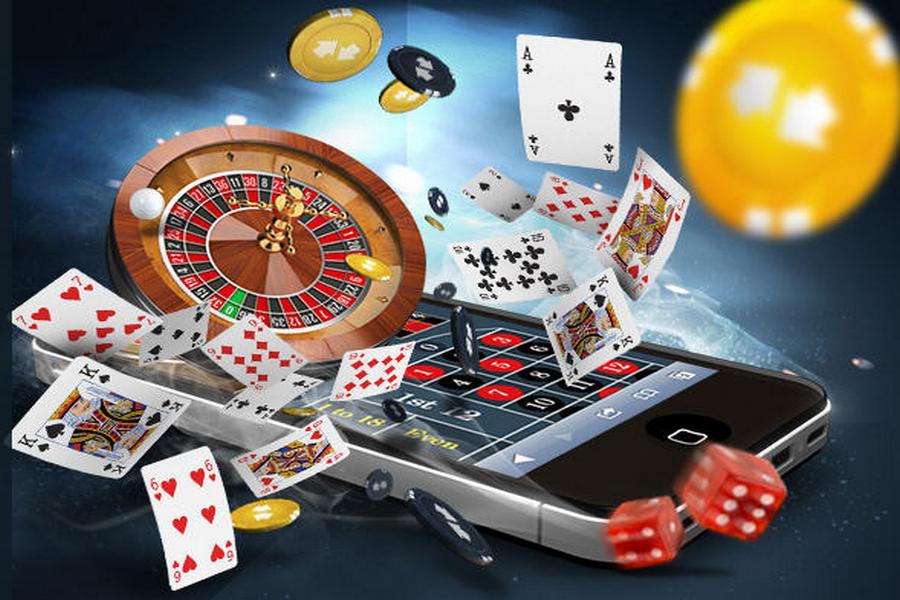
The psychological effects of gambling addiction can be profound. Individuals may experience heightened anxiety, depression, and feelings of hopelessness, especially when they are unable to satisfy their gambling impulses. Recognizing these emotional challenges is vital for better awareness and the development of effective support systems.
Common Signs of Gambling Addiction
Identifying the signs of gambling addiction is the first step toward seeking help. One major sign is the inability to stop gambling despite a desire to do so. Individuals may find themselves frequently returning to gambling activities, even after experiencing losses. This can escalate to a point where gambling becomes a priority over essential responsibilities and personal relationships.
Another common sign is lying about gambling behavior. Those struggling with addiction may deceive friends and family regarding their gambling habits, leading to a cycle of secrecy and shame. This behavior not only complicates personal relationships but can also worsen the individual’s mental health, as guilt and anxiety build over time.
The Psychological Impact of Gambling Addiction
The psychological effects of gambling addiction can be devastating. Those affected often experience significant stress, which can manifest in various ways, including irritability and mood swings. The constant cycle of winning and losing can create a rollercoaster of emotions, leaving individuals feeling exhilarated during wins but despondent and desperate when they lose.
Moreover, gambling addiction can exacerbate underlying mental health conditions. Individuals may turn to gambling as a coping mechanism to escape from stress or depression, creating a dangerous feedback loop. Recognizing these psychological impacts is vital for both individuals and their loved ones, as it highlights the importance of professional treatment and support.
Seeking Help and Support
Recognizing the signs of gambling addiction is essential for seeking help. Various resources are available, including counseling, support groups, and hotlines specifically designed for gambling addiction. These options provide individuals with guidance and support from professionals and peers who understand the challenges associated with this disorder.
Encouraging open dialogue about gambling addiction can also help reduce stigma and promote understanding. Family members and friends can play a crucial role in encouraging their loved ones to seek help and can also benefit from support networks themselves, reinforcing the notion that recovery is possible.

Resources for Responsible Gambling
Understanding the signs of gambling addiction is just the beginning. Resources that promote responsible gambling are vital for maintaining a healthy relationship with gambling activities. Educational materials, self-assessment tools, and guidelines for safe gambling practices can empower individuals to make informed choices.
Additionally, seeking platforms that prioritize responsible gaming can enhance the overall experience. These resources often provide access to help hotlines and support services, ensuring that individuals have the tools they need to recognize when gambling becomes a problem and how to address it effectively.